
Getting a dental crown is a big step toward restoring your smile, protecting a damaged tooth, and improving overall oral health. While crowns are designed to be durable and long-lasting, how you care for them after placement plays a major role in their comfort, function, and lifespan. Understanding what to expect and how to care for your new crown can help you avoid complications and keep your smile healthy for years to come.
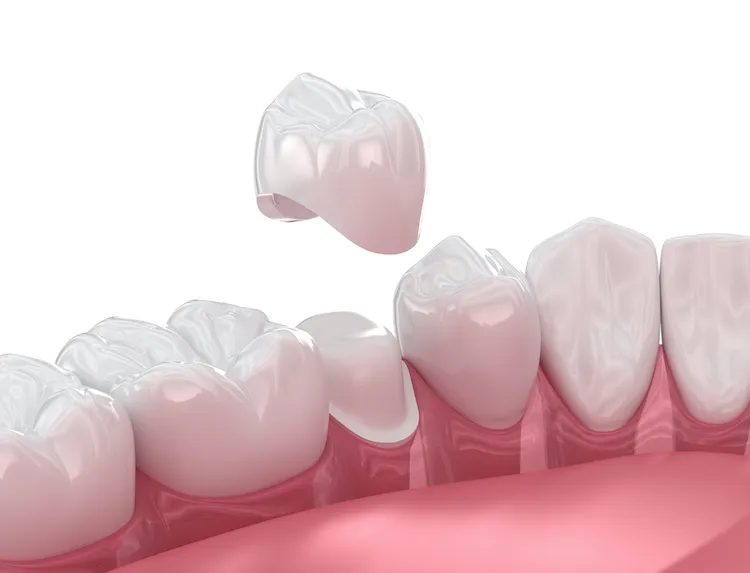
What to Expect After Crown Placement
After your crown is placed, it’s normal to experience some sensitivity or mild discomfort, especially to hot and cold temperatures. This usually fades within a few days as your tooth and surrounding tissues adjust. Your bite may feel slightly different at first, but it should settle quickly. If your bite feels uneven or uncomfortable after a few days, it’s important to contact your dentist, as a simple adjustment can prevent future problems. The gum tissue around the crowned tooth may also feel tender for a short time. Gentle care during brushing and flossing will help the area heal without irritation.
Eating and Drinking After a Crown
In the first day or two after your crown is placed, it’s best to be cautious with what you eat. Chewing on the opposite side of your mouth can help reduce pressure on the new crown while any sensitivity subsides. Very sticky or hard foods can put unnecessary stress on the crown and should be avoided, especially if the crown was recently cemented.
Once you’re comfortable, you can return to a normal diet, but it’s still wise to be mindful. Crowns are strong, but they are not indestructible. Habits like chewing ice or using your teeth to open packaging can shorten the life of your crown and damage the underlying tooth.
Oral Hygiene with a Dental Crown
Good oral hygiene is essential for maintaining both your crown and the tooth beneath it. Even though the crown itself cannot decay, the natural tooth underneath still can, particularly along the gumline. Brushing twice a day with a fluoride toothpaste helps protect this vulnerable area and keeps plaque from building up around the crown.
Flossing is just as important. Gently sliding floss around the crown helps remove food particles and bacteria that brushing alone can’t reach. Taking your time and using proper technique will protect your gums and prevent inflammation around the crowned tooth.
Managing Sensitivity and Discomfort
Some sensitivity after getting a crown is common, especially if the tooth had extensive work done before the crown was placed. Using toothpaste designed for sensitive teeth can help reduce discomfort over time. Avoiding extreme temperatures in foods and drinks during the initial healing period can also make a big difference.
If sensitivity persists for several weeks or worsens instead of improving, it’s a good idea to check in with your dentist. Ongoing discomfort may indicate that the bite needs adjustment or that there’s another issue that needs attention.
Protecting Your Crown Long Term
Crowns can last many years with proper care, but certain habits can increase the risk of damage. Teeth grinding or clenching, especially during sleep, can put excessive pressure on a crown. If you’re prone to grinding, your dentist may recommend a night guard to protect both your crown and your natural teeth.
Regular dental checkups are also key. During these visits, your dentist can monitor the condition of your crown, check the surrounding gums, and catch any potential problems early.
When to Call Your Dentist
If your crown feels loose, causes pain when biting, or shows signs of chipping or cracking, don’t ignore it. Prompt dental care can often fix minor issues before they become major ones. Paying attention to changes in how your crown feels is one of the best ways to protect your investment in your smile.
Dental Crown Care in Traverse City, MI
At Garfield Dental Group, we are dedicated to helping you maintain your oral health. If you have excessive decay or damage, a dental crown could prevent the need for extraction. With proper care, your new crown could last over a decade. Contact our office today to schedule a consultation and learn more about how to care for your dental restorations.