
If you’re considering dental implants, one of the first questions that likely comes to mind is: “How long will they actually last?” It’s a smart question. Choosing a dental implant is a significant investment in both time and money, and you want to know you’re making a decision that will serve you well for years to come.
With proper care and a skilled dental implant provider in Traverse City, implants can be a long-term solution that lasts for decades or even a lifetime. Let’s explore what that really means, what factors influence implant longevity, and how you can protect your investment.
The Real Numbers: How Long Do Implants Last?
Dental implants have an impressive track record. Studies show a success rate of approximately 97% over 10 years. This high rate makes them the gold standard for tooth replacement.
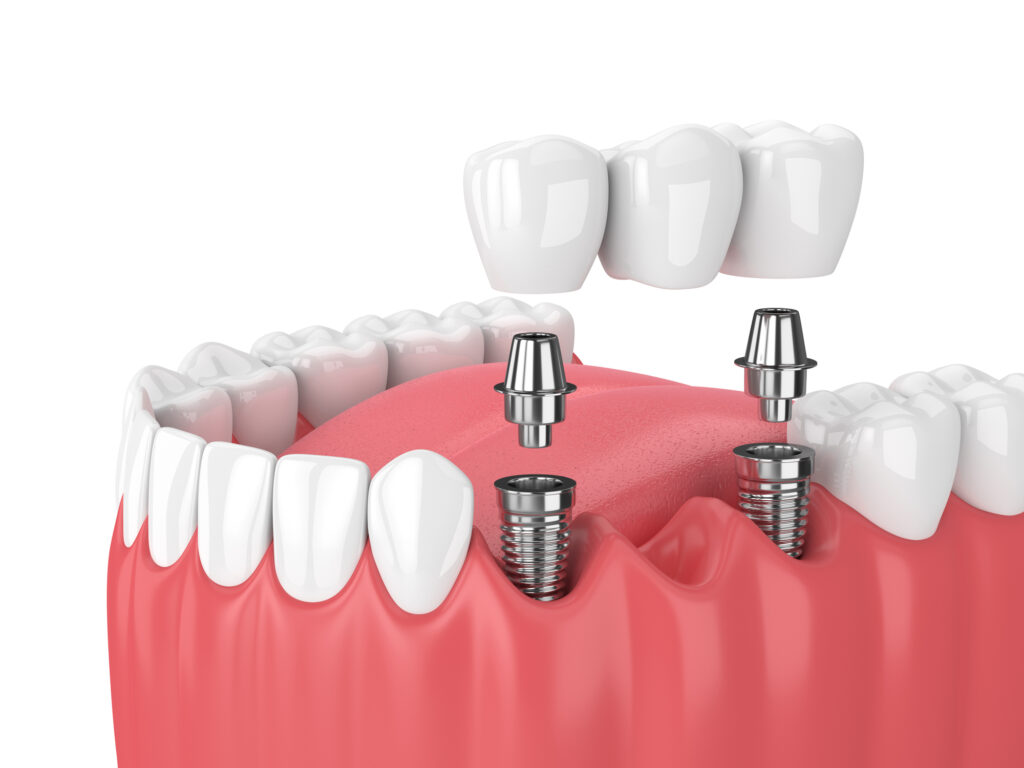
To understand implant longevity, it helps to break down the three components of a typical implant restoration:
- The Implant Post (Titanium Fixture): This screw-like portion is surgically placed into your jawbone. Once it fuses with the bone (a process called osseointegration), it’s highly durable and can last for many years with proper care. For most patients, they last a lifetime.
- The Abutment: This connector piece attaches to the implant post and holds the crown. It sits above the gumline and is exposed to bite forces. While durable, it may sometimes require adjustment or replacement over time.
- The Natural-looking Crown: This is the visible, tooth-colored part of the restoration. It experiences the most direct contact with chewing forces and may show wear over time. Depending on the materials, your bite pattern, and care habits, a crown may need to be replaced after 10 to 15 years.
So, while the root of your implant can last a lifetime, the crown may need replacing after a decade or more of normal use.
Factors That Can Affect Your Implant’s Lifespan
Several variables influence how long your implants will last. Success depends on both your Traverse City implant specialist’s skill and your commitment to ongoing care.
Oral Hygiene: Your Most Important Job
Implants can’t get cavities, but they are vulnerable to a condition called peri-implantitis. It’s an inflammatory disease that affects the gum tissue and bone around the implant. It’s essentially the implant form of gum disease, caused by plaque and bacterial buildup around the implant.
Consistent oral hygiene is critical. Daily brushing with a soft-bristled toothbrush, flossing, and regular professional cleanings help protect the tissues that support your implant. Research shows that brushing twice daily can reduce the risk of peri-implantitis by 70-80%.
Lifestyle Habits
- Smoking: This is one of the biggest risk factors. Smoking impairs blood flow and healing. It significantly increases the risk of implant failure and complications like peri-implantitis.
- Teeth Grinding (Bruxism): Clenching or grinding your teeth places excessive stress on your implant restoration. This can lead to microfractures, bone loss, and crown wear. A custom night guard can help protect your implant.
Overall Health
Medical conditions, such as uncontrolled diabetes or those that affect bone health, can influence healing and implant success. Your dentist will carefully evaluate your medical history to determine whether any factors require management before or after your implant procedure.
How Garfield Dental Group Sets You Up for Success
At Garfield Dental Group, we believe that implant longevity starts with precise, expert placement. Dr. Guptill and Dr. Mansi use advanced diagnostics and modern techniques to ensure your implant is positioned accurately for long-term function and health.
But our commitment doesn’t end when we place your crown. We will provide you with clear, personalized care instructions and see you regularly for maintenance visits. During these check-ups, we’ll monitor your gum tissue, assess your bite, and evaluate bone levels around the implant using X-rays. Early detection of issues like peri-implantitis allows for simpler, more effective treatment.
Your Role in Making Implants Last
As a patient, your daily care makes the biggest difference in your implants’ longevity. To maximize your implant’s lifespan, commit to a consistent, thorough oral hygiene routine, including brushing twice daily and cleaning between your implant and adjacent teeth.
Use low-abrasion toothpaste to avoid scratching the implant surface, and avoid smoking and limit alcohol use. Keep attending all your regular check-ups and professional cleanings. If you grind your teeth, wear a night guard to protect your restoration.
The Takeaway: A Partner for Life
Dental implants are a remarkably successful and long-lasting solution for missing teeth. Their longevity, however, depends on a partnership between you and your dental team. By choosing a skilled provider like Dr. Guptill and Dr. Mansi at Garfield Dental Group and committing to excellent daily care and regular maintenance, you can enjoy the benefits of a restored smile for decades.
Would you like to learn more about dental implants and what they could do for your smile? Contact Garfield Dental Group in Traverse City today at (231) 518-3715 or request an appointment online. Let’s start a conversation about your long-term oral health.