
If you’re considering dental implants in Traverse City, you probably have one question at the top of your mind: Will it hurt?
It’s a fair question because nobody looks forward to dental procedures. The word “implant” can sound intimidating, like something that involves drilling and weeks of misery.
The truth is, most patients are surprised by how comfortable the implant process actually is. The procedure uses local anesthesia, so you won’t feel pain during the procedure. Recovery, while it requires some care, is usually much easier than patients expect.
At Garfield Dental Group, Dr. Kristen Guptill and Dr. Noor Al Mansi help patients through every step of the implant journey. They take time to explain what to expect, answer questions, and make sure you feel comfortable and informed. Their goal is to make dental care as calm and stress-free as possible.
This guide walks you through what to expect, from the procedure itself to the recovery timeline and pain management tips.
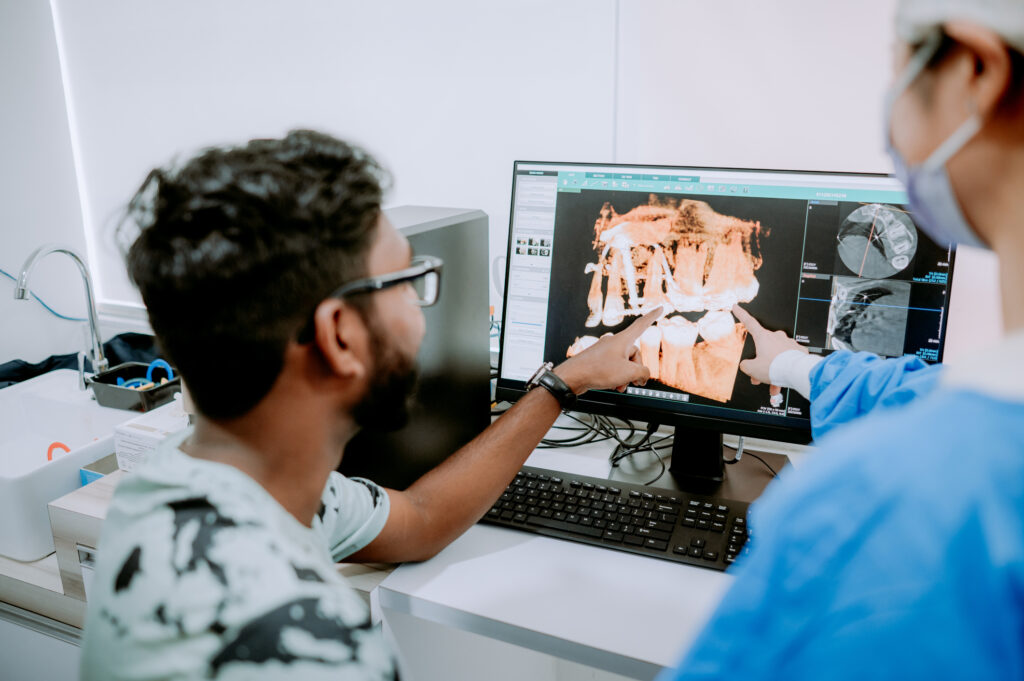
The Procedure Itself: What You’ll Feel
Let’s start with the main event. What does it actually feel like to get an implant placed?
Local Anesthesia Makes It Painless
Before the procedure begins, Dr. Guptill or Dr. Al Mansi will numb the area with local anesthesia. This helps ensure you won’t feel sharp pain during placement.
You’ll be awake and aware of what’s happening, but you won’t feel the drilling or the implant placement. Some patients describe pressure or vibration. That’s normal, but you shouldn’t feel actual pain.
If you do feel anything uncomfortable, let your dentist in Traverse City know. They can adjust the anesthesia to make sure you stay comfortable.
Sedation Options for Anxious Patients
If the thought of the procedure makes you nervous, Garfield Dental Group offers sedation options. Dr. Guptill understands that dental anxiety is real, and she’s built her practice around making patients feel at ease.
“I know that for many patients, the hardest part is walking through the door,” she says. “Maybe you’ve had a bad experience in the past, you’re worried about what I’ll find, or you’re afraid of pain. Here’s what I want you to know: I don’t judge, and neither does my team. We meet you where you are.”
Sedation can help you relax during the procedure. You’ll still be awake, but you’ll feel calm and comfortable. Many patients say the appointment went by faster than they expected.
How Long Does It Take?
Placing a single implant usually takes about 30 to 60 minutes. If you’re having multiple implants placed, the appointment may take longer.
Most patients are surprised by how quickly it goes.
The Recovery Timeline: Day by Day
The procedure is painless, but what about afterward? Here’s what to expect during recovery.
Day 1: The First 24 Hours
The anesthesia will wear off a few hours after your appointment. When it does, you may start to feel some soreness and tenderness around the implant site.
This is normal. Discomfort usually peaks within the first 6 to 48 hours. Most patients describe it as a dull ache, similar to the soreness you might feel after a dental extraction.
You may also notice some swelling. That’s your body’s natural healing response. Ice packs can help reduce swelling. By the end of day one, most patients are resting comfortably at home.
Days 2-3: Peak Discomfort
The second and third days are often when patients feel the most soreness. This is the peak of the inflammatory response as your body begins healing.
Pain is typically manageable with over-the-counter medications like ibuprofen or acetaminophen. If you were prescribed pain medication, take it as directed.
Swelling may also peak during this time. Continue using ice packs for 15 to 20 minutes at a time. Keep your head elevated when resting to help reduce swelling. Stick to soft foods during this period. More on that in a moment.
Days 4-7: Steady Improvement
By day four, most patients notice a significant improvement. The soreness is fading. The swelling is going down. You’re starting to feel more like yourself.
You can gradually return to your normal routine, but you should still avoid strenuous activity and stick to softer foods. By the end of the first week, many patients feel almost back to normal.
Week 2 and Beyond: Healing Continues
Visible healing is mostly done by the end of the first week or two, but deeper healing is just beginning. Over the next three to six months, your jawbone will fuse with the implant in a process called osseointegration. This creates the permanent foundation for your new tooth.
You won’t feel this happening, but it’s the most important part of the process. Once osseointegration is complete, your implant will be stable and ready for its final restoration.
What Does the Pain Actually Feel Like?
Sometimes, patients want to know what the discomfort feels like. Is it sharp? Throbbing? Constant?
Most patients describe it as a dull ache or soreness. It’s similar to the feeling after a tooth extraction or a deep cleaning. It’s noticeable, but it’s not unbearable.
The pain is usually focused around the implant site. You might also feel tenderness in the jaw or nearby gums.
Some patients experience no pain at all. Others feel mild discomfort for a few days. It varies from person to person.
Please remember that it’s temporary. The worst of it passes within 48 hours, and it steadily improves from there.
Pain Management: How to Stay Comfortable
Here are some practical tips for managing discomfort during recovery.
Medications
Over-the-counter pain relievers like ibuprofen or acetaminophen are usually enough to manage the soreness. If you were prescribed something stronger, take it as directed.
Start taking medication before the anesthesia wears off. This helps you stay ahead of the pain rather than trying to catch up.
Ice Packs
Apply ice packs to the outside of your face near the implant site. Use them for 15 to 20 minutes at a time, with breaks in between. This helps reduce swelling and numbs the area.
Rest and Elevation
Get plenty of rest during the first few days. Keep your head elevated when lying down. This helps reduce swelling and promotes healing.
Avoid Smoking and Alcohol
Smoking and alcohol can slow healing and increase the risk of complications. Avoid them during the recovery period.
Stay Hydrated
Drink plenty of water, but avoid using straws, since the suction can dislodge the blood clot and cause complications.
Diet During Recovery: What to Eat
What you eat during recovery matters. Hard, crunchy, or spicy foods can irritate the implant site. Stick to soft, nutritious foods for the first week or two.
Good options include:
- Yogurt and smoothies
- Mashed potatoes and soft vegetables
- Soup and broth
- Scrambled eggs
- Applesauce and soft fruits
- Oatmeal and soft grains
Foods to avoid:
- Hard candy, ice, and nuts
- Crunchy chips and crackers
- Spicy foods
- Very hot or very cold foods
- Sticky foods like caramel
As you heal, you can gradually reintroduce harder foods. Always be gentle and listen to your body.
When to Call Your Dentist
Some discomfort is normal, but certain symptoms warrant a call to the office.
Contact Garfield Dental Group if you experience:
- Pain that gets worse instead of better
- Swelling that spreads or doesn’t improve
- Bleeding that won’t stop
- Fever or chills
- Pus or a foul taste coming from the implant site
- A loose implant
These could signal infection or other complications. Early intervention can prevent bigger problems.
Why Choose Garfield Dental Group for Your Implants?
Dr. Kristen Guptill and Dr. Noor Al Mansi bring skill, experience, and genuine care to every implant procedure.
Dr. Guptill practices dentistry differently. She believes the best care comes from blending deep clinical knowledge with genuine, unhurried listening. She’ll explain your options clearly, answer every question, and build a plan that reflects your priorities. No pressure. No judgment.
Dr. Al Mansi’s passion for dentistry began at a young age, inspired by her grandmother, a retired dentist. She’s dedicated to clinical excellence and continually enhances her skills through ongoing education in implant dentistry and advanced treatment techniques.
Together, they provide comprehensive implant care at our Traverse City office. From the initial consultation to the final restoration, we handle the entire process here. You don’t have to travel to a separate specialist for surgery.
Serving Traverse City and Northern Michigan
Garfield Dental Group is conveniently located in Traverse City and serves patients in Garfield Township, Acme, Elk Rapids, Grand Traverse County, and all of Northern Michigan.
If you’re considering dental implants, we’re here to help you understand the process and make an informed decision.
Don’t Let Fear Hold You Back
The thought of dental implant pain is often worse than the reality. The procedure is painless, and the recovery is usually easier than patients expect. With the right care and a skilled dental team, you can restore your smile without the fear.
Ready to explore your implant options? Call Garfield Dental Group at (231) 518-3715 or request an appointment online. Dr. Guptill or Dr. Al Mansi will answer your questions and help you feel confident about your care.